Israel

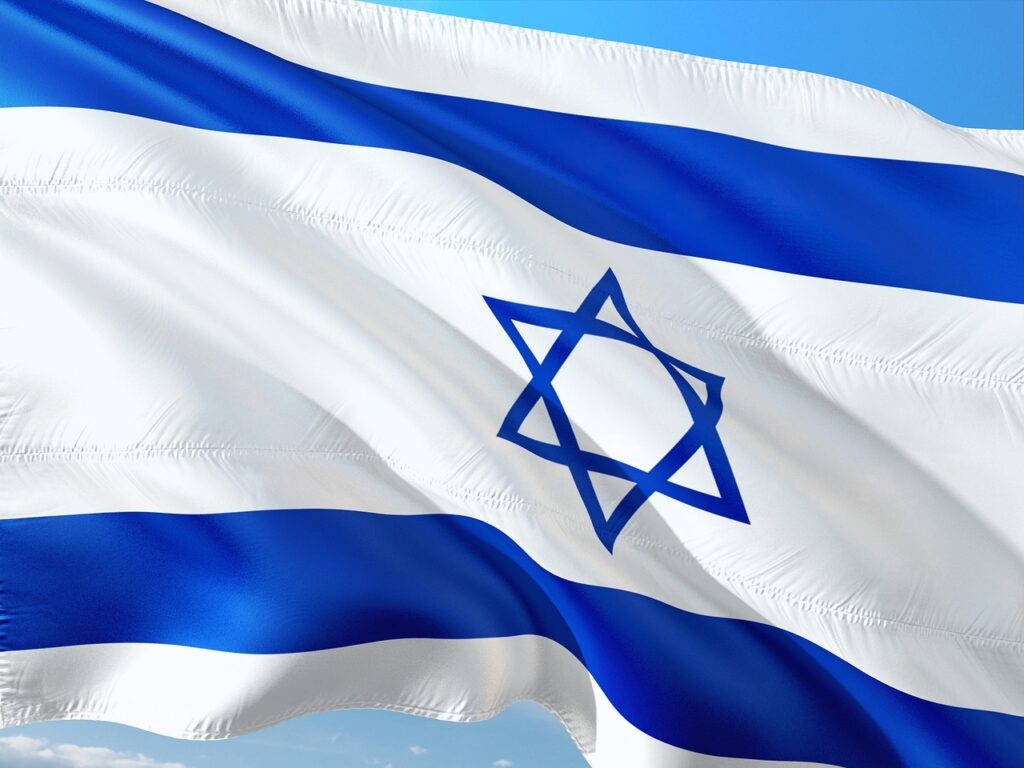
This nation has never established a Constitution; it summons women for military duty and initiates the workweek on Sunday. It holds ancient customs in high regard and is continuously advancing in high technology. In this country, knowledge has always been valued greatly: approximately 30% of the workforce possesses university degrees, while 12% have earned Ph.D.s.
This is Israel — a small area of impoverished land with an adverse climate. Yet, in spite of the 50-year conflict with Arab nations, this territory has evolved into one of the most affluent and powerful countries in the world. Eretz, meaning land in Hebrew, is the term used by Israeli people to refer to their nation; it is also known as the land of milk and honey, as stated in the second Torah — The Book of Exodus.
General Information
For both Orthodox Christians and Catholics, Israel is regarded as the birthplace of Christ. Therefore, undertaking a pilgrimage there at least once in our lifetime seems worthwhile. Sunni Muslims also have the desire to visit this location to pay respect to their holy sites, while Orthodox Jews view it as the epicentre of spiritual renewal in the world.

For individuals facing health challenges, Israel often represents a final opportunity for healing. Israeli medical professionals have made remarkable advancements in treating cancer, infertility in both women and men, as well as other serious illnesses.
Enthusiasts of beach destinations speak highly of the shores of the Dead Sea, Tel Aviv, Eilat, and the Sea of Galilee.
In spite of the complex and tumultuous internal circumstances stemming from the prolonged conflict, the number of tourists visiting Israel remains steady. Each year, approximately 4.5 million individuals travel to the promised land for holidays, education, medical treatment, or employment.
Historical Background
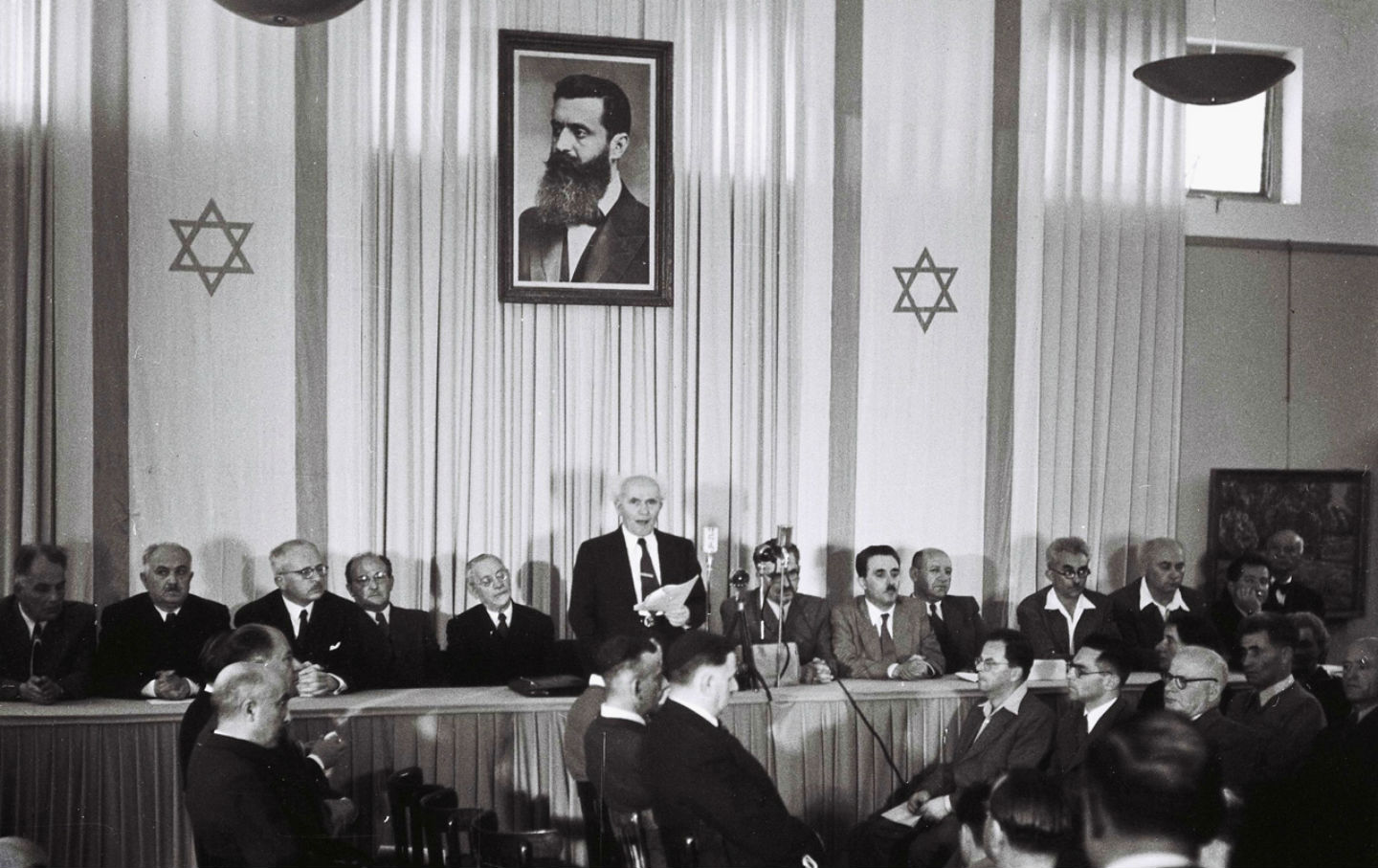
The Jewish people have a history spanning over 3,500 years. Nevertheless, the State of Israel (Medinat Yisrael) commenced its journey on May 14, 1948. On this date, David Ben-Gurion, the inaugural Prime Minister, proclaimed the establishment of the Jewish state along a narrow strip of the Mediterranean coastline in Southwest Asia. This decision was influenced by a UN Resolution, which was promptly dismissed by the neighbouring nations of the newly established country — the Arab League.

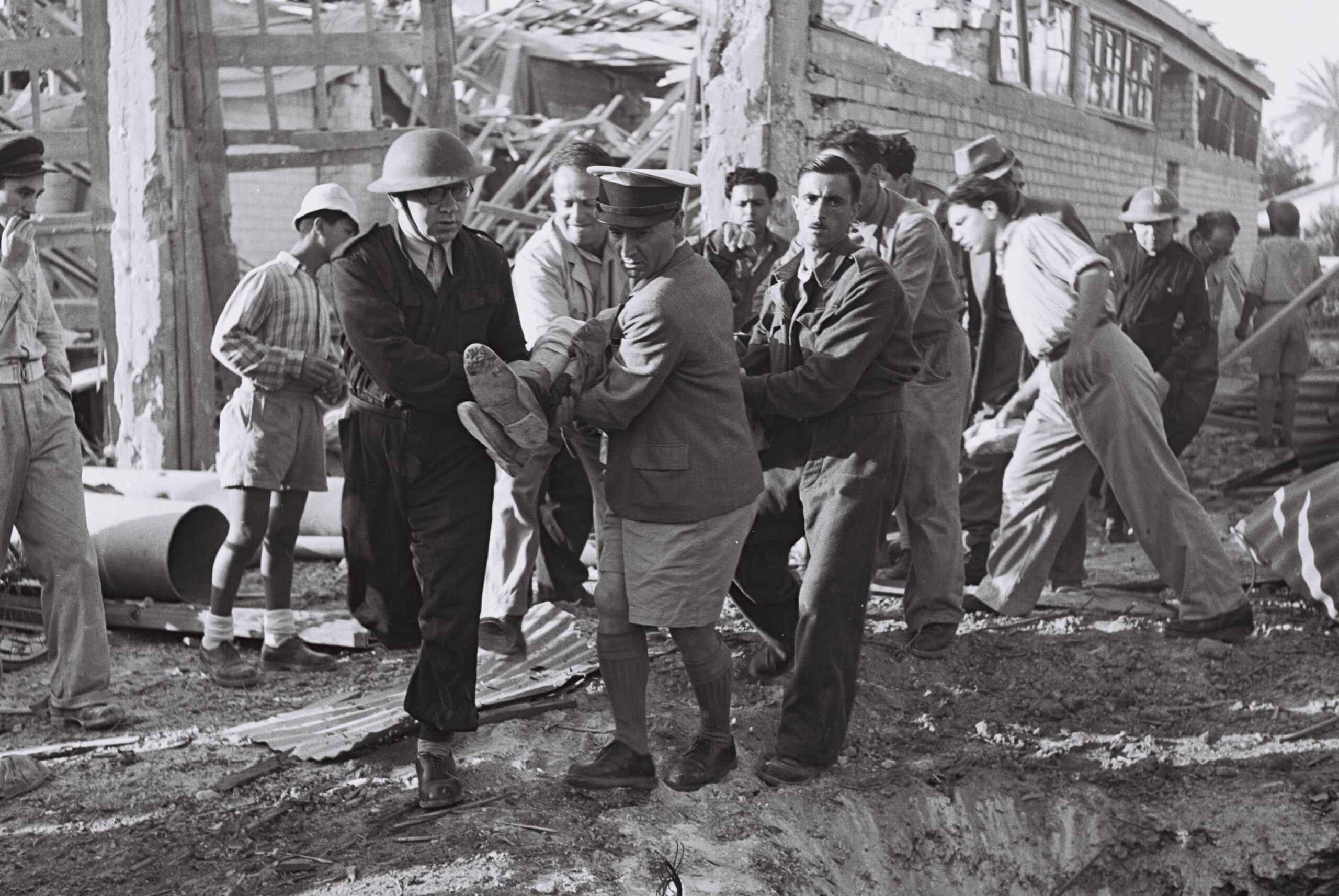
Not only did they reject the existence of an independent Israel, but they also declared war on it. Five adversaries launched an assault on the fledgling republic — Egypt, Transjordan, Syria, Lebanon, and Iraq. The conflict resulted in over a year of violence, concluding with a cease-fire and Israel’s acceptance as a UN member state. However, the Arab nations failed to establish their own state within the contested region.
The Israeli government implemented severe measures concerning Arab refugees. These individuals found themselves barred from returning to areas where they had resided for generations. Similarly, Arab nations enacted comparable policies against Jews, forcing them into exile to the new state. Consequently, the Jewish demographic in Israel exceeded two million, while 600,000 Arabs departed.
The Arab-Israeli conflict remains ongoing. However, a significant milestone occurred in 1978 when Egypt, a member of the Arab League, officially recognised the State of Israel. In 1994, Jordan followed suit. Despite this progress, tensions continue to persist in the Gaza Strip and the West Bank — the Palestinian territories adjacent to Israel.
Geography and Climate
The State of Israel lacks a formal Constitution and does not have officially recognised borders. In reality, it shares borders with Lebanon, Syria, and Egypt, with the fourth boundary established in 1949 following the conclusion of the Arab-Israeli War. This boundary extends across the River Jordan and is referred to as the Green Line.
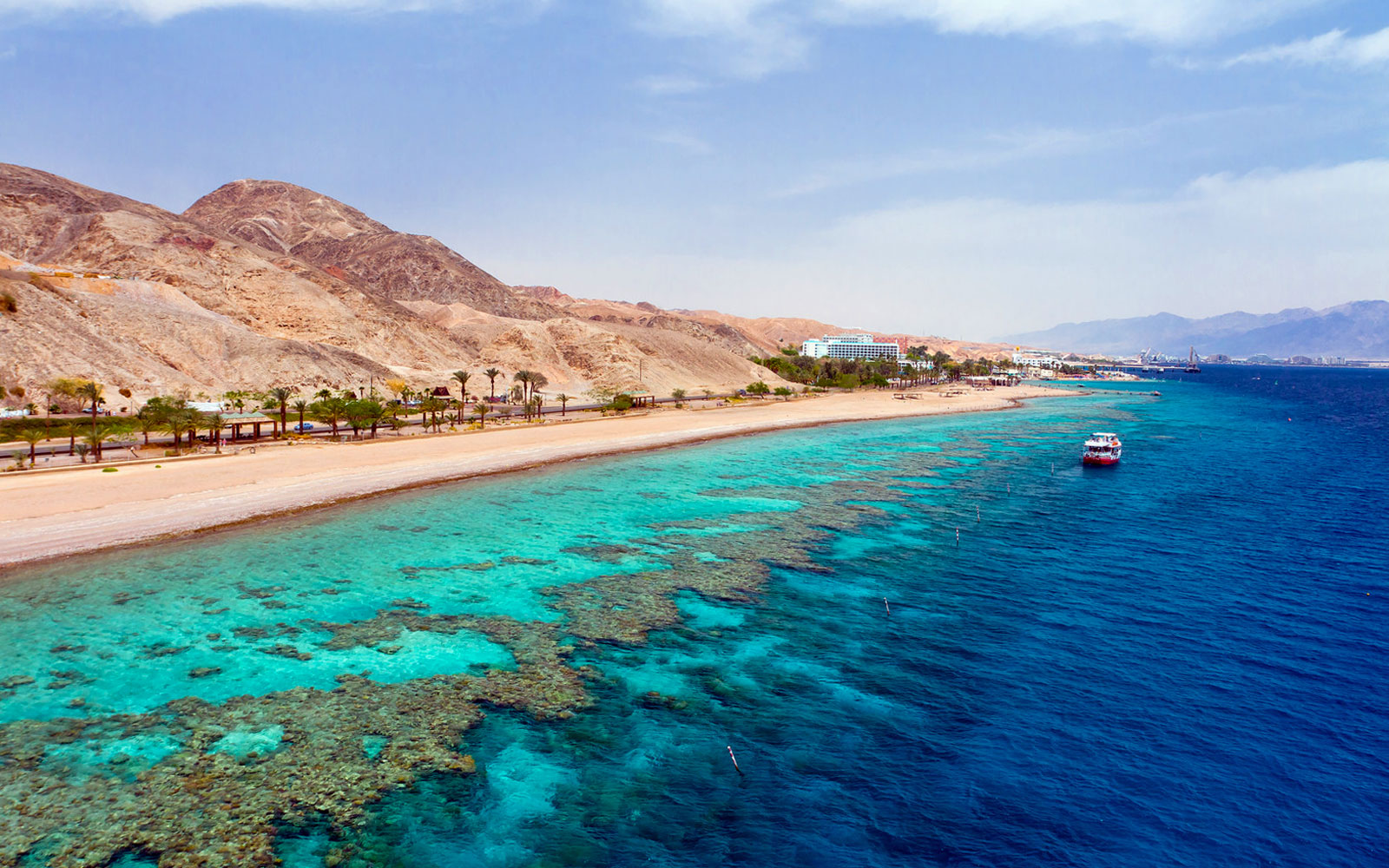
This nation in the Middle East has coastlines along the Mediterranean Sea to the west and the Red Sea to the south. Additionally, there is the landlocked Sea of Galilee. The climate in Israel is classified as Mediterranean, although average temperatures during the seasons differ from one region to another.
For instance, winter brings cold and snowy conditions in the mountainous areas and rainy weather along the coast. Summers in Israel are lengthy and dry, with little to no rainfall from May through September, while temperatures can soar to +40°C. A record high of +47°C was documented in Beit Shean.
Visitors typically prefer milder weather, resulting in a quiet period during both summer and winter. The peak tourist season occurs when the temperatures become more pleasant, spanning from September to November and February to May. Consequently, the prices for holiday packages in Israel vary, being highest during the summer and winter months, while the lowest rates are found in autumn and early spring.
Demographics, Language, and Currency
Israel is a compact nation with a population exceeding nine million; the predominant group is Jewish, numbering six million. There are two million Arab citizens, while the remainder consists of various other ethnic groups. Notably, the Promised Land has attracted nearly half of the global Jewish population: 44% of those descended from David hold Israeli passports.
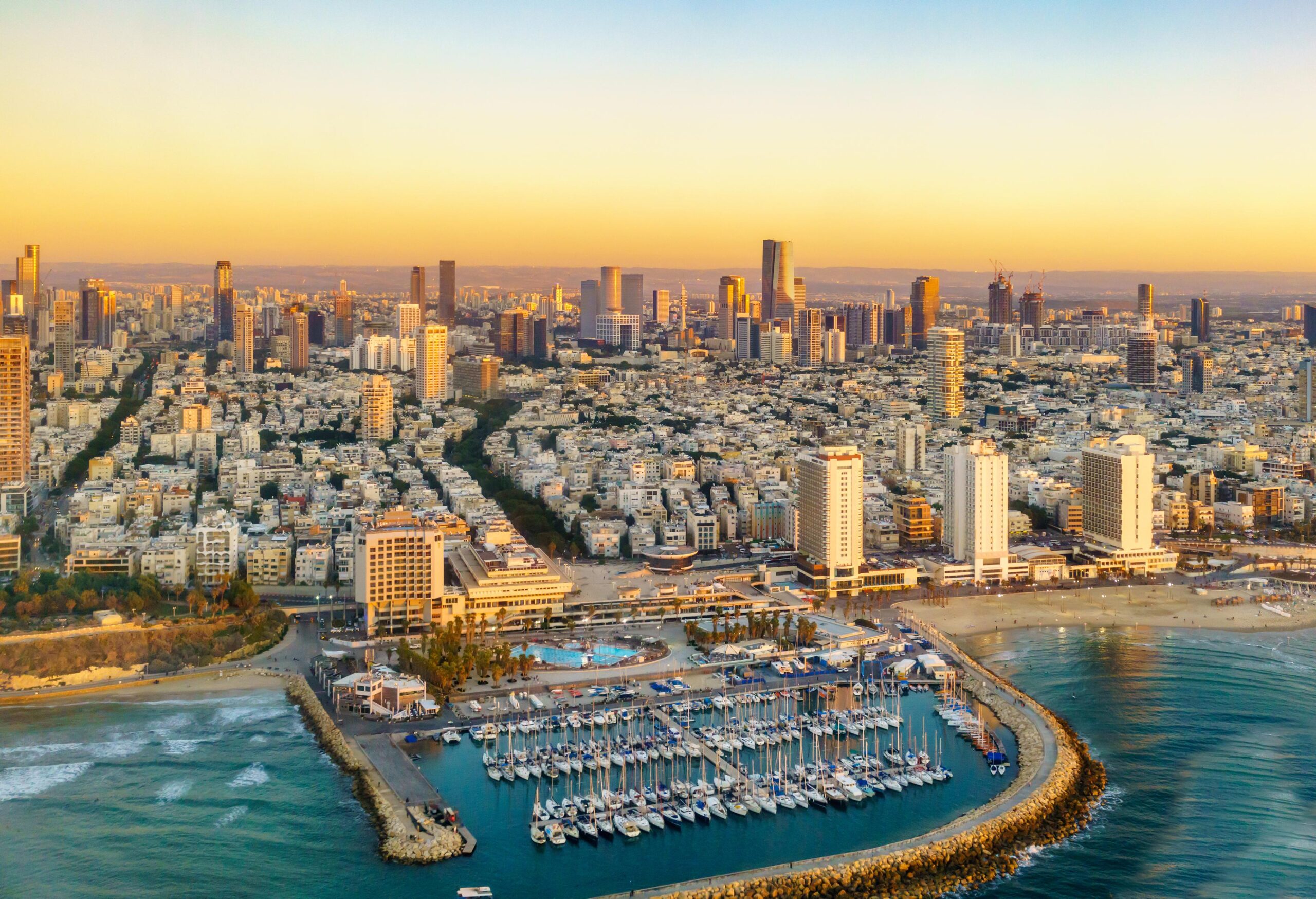
The most populous cities in Israel include Jerusalem (the capital, with 950,000 inhabitants), Tel Aviv (470,000), and Haifa (290,000).
The official language is Hebrew, a distinctive language with its own unique writing system and historical background. For over 1,800 years, it was primarily used for religious services, the composition of religious and philosophical texts, educational materials, and literary works. It was not until the early 20th century that Hebrew became a spoken language.
Following the establishment of the State of Israel in 1948, Hebrew was designated to become the official language. Although Arabic is commonly spoken, it holds a special status as a minority language.
The influx of immigrants in the 1990s transformed the linguistic landscape of the nation. Nearly every second citizen speaks Russian fluently. The media and a significant portion of employees in the service and healthcare sectors also communicate in Russian. This is one of the reasons why individuals from the former USSR choose to holiday and receive medical care in Israel: they do not require costly interpreter services.
The Israeli new shekel, introduced in September 1985, is among the newest currencies in the world. The exchange rate stands at 1:0.32 for USD to ILS and 1:0.28 for EUR to ILS.
Getting There
The most effective method of reaching Israel is by air travel. Numerous budget airlines operate flights from various European cities, with journey times of three hours or more. For those coming from North America, the process is somewhat more complex, as these flights are longer and typically more expensive. A viable alternative is to reach any European location and then take a flight to Israel.
In Tel Aviv, international flights are handled by Ben Gurion Airport. Visitors heading to Eilat arrive at Ramon Airport, which is the only new airport built after 1949, the year Israel achieved independence. This airport is situated a 15-minute drive from the resort area. You can use bus #30 or #50 to travel to the leisure zone, with a fare of ₪4.20. Alternatively, taking a taxi is quicker, although it is significantly more costly (₪84 – ₪95, not including additional luggage fees).
The State of Israel has established visa waiver agreements with numerous nations, so it is advisable to verify this list prior to commencing your trip. Nonetheless, the COVID-19 pandemic has altered the entry requirements for tourists. Israeli authorities mandate that non-Israeli citizens present a certificate confirming they have received the complete series of WHO-approved vaccinations or a certificate indicating recovery from COVID-19. Additionally, every tourist arriving at the airport must undergo a PCR test, which costs approximately ₪100. While awaiting the test results, they are required to remain in isolation for 24 hours or more, depending on their country of origin.
Accommodation Options
When organising a trip to Israel, it is important to recognise that the cost of living here is quite elevated, leading to similarly high prices. Additionally, visitors from around the globe come not only for leisure but also for medical treatments in Israeli hospitals, which contributes to the significant demand for rental properties and their associated costs.
The lowest rate for a hotel room starts at $50 per night, while the cost of renting an apartment can vary.
Here are some affordable hotel options in Israel:
- Tiberias Hostel is an economical hostel situated in Tiberias, Kinneret, close to the Sea of Galilee. It provides free parking and Internet, with breakfast available for an additional fee. The rooms come with air-conditioning, showers, and toilets. Nearby, there are shops and a market.
- Abraham Hostel Jerusalem is regarded as one of the finest hostels in Jerusalem. The rooms are tidy, featuring comfortable beds and fresh linens. Guests can enjoy free breakfast and drinks, Internet access, and a parking facility.
- Central Hotel in Tel Aviv offers rooms with air-conditioning and central heating. Each room is also equipped with a fridge, ironing facilities, and a coffee machine. Guests have access to Wi-Fi and the beach.
- Haifa Nest Guesthouse in Haifa greets its visitors with clean and comfortable rooms, along with kitchenettes that include essential appliances. Free Wi-Fi and parking are also available.
- Clil Guest House is nestled in the natural beauty of Galilee, providing guests with stunning views. This hotel is celebrated for its tranquil environment, welcoming staff, tidy and comfortable rooms, and complimentary Wi-Fi. Smoking is prohibited.
Sharing accommodation in Israel can be more economical if you travel as a group comprising two or more families. The expenses for larger suites are shared among the guests, making it relatively affordable for each individual. You can search for appropriate rooms through international holiday rental websites like https://www.airbnb.co.uk/ or similar platforms.
Attractions to Visit
Attractions in Israel showcase significant moments from the history of global religions. Most of the frequently visited sites are in some manner associated with scenes from the Bible.
Jerusalem
This city draws individuals for whom Christianity represents more than just one of the principal religions globally. Significantly spiritual, Jerusalem hosts a large community of Orthodox Jews, in contrast to the more secular Tel Aviv.
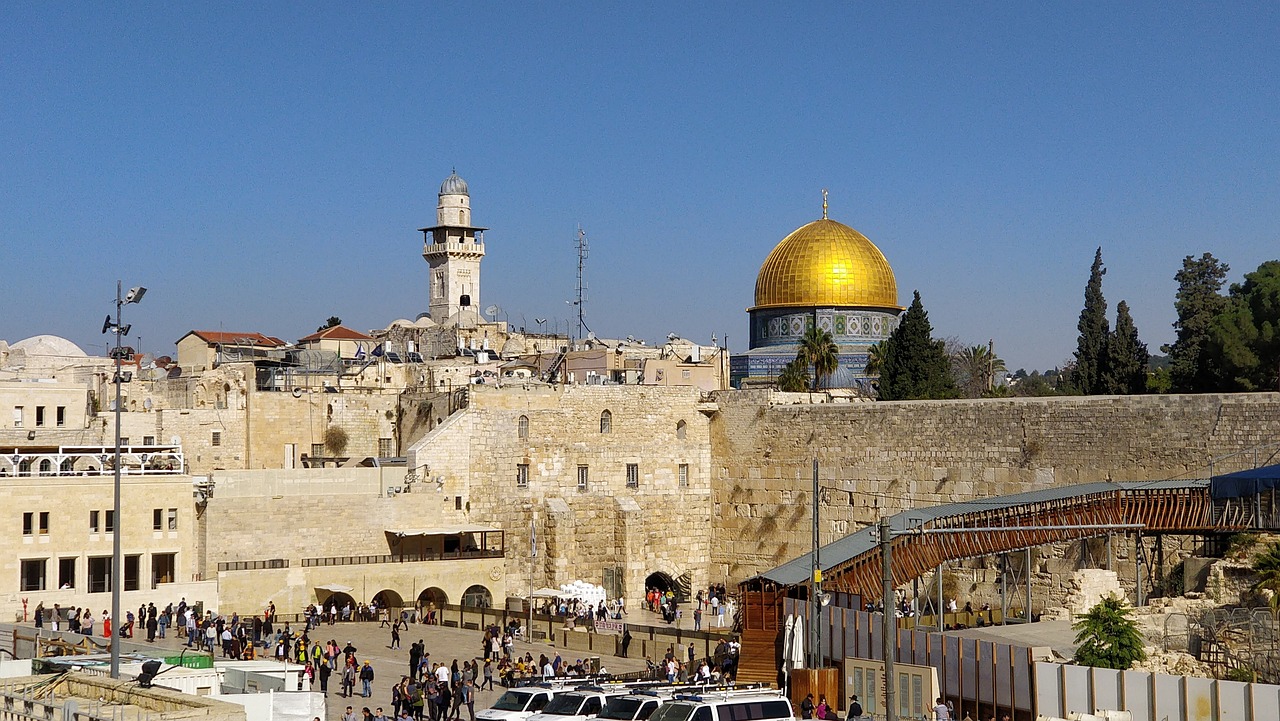
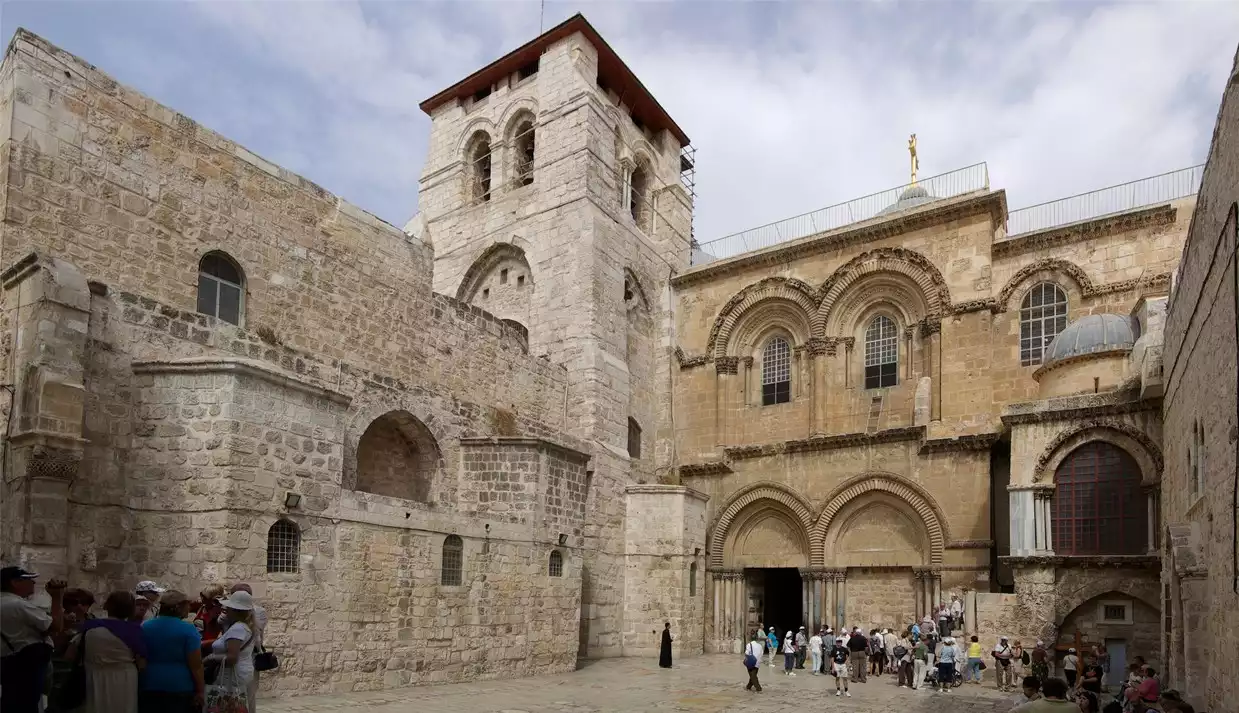
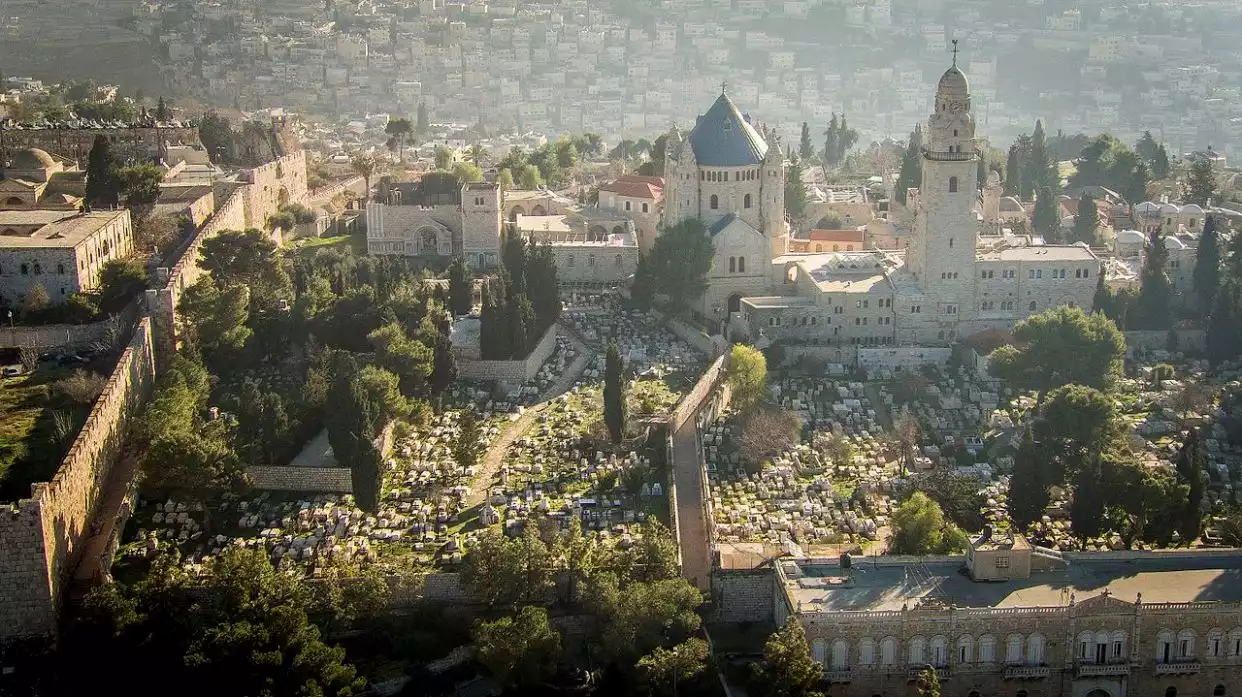
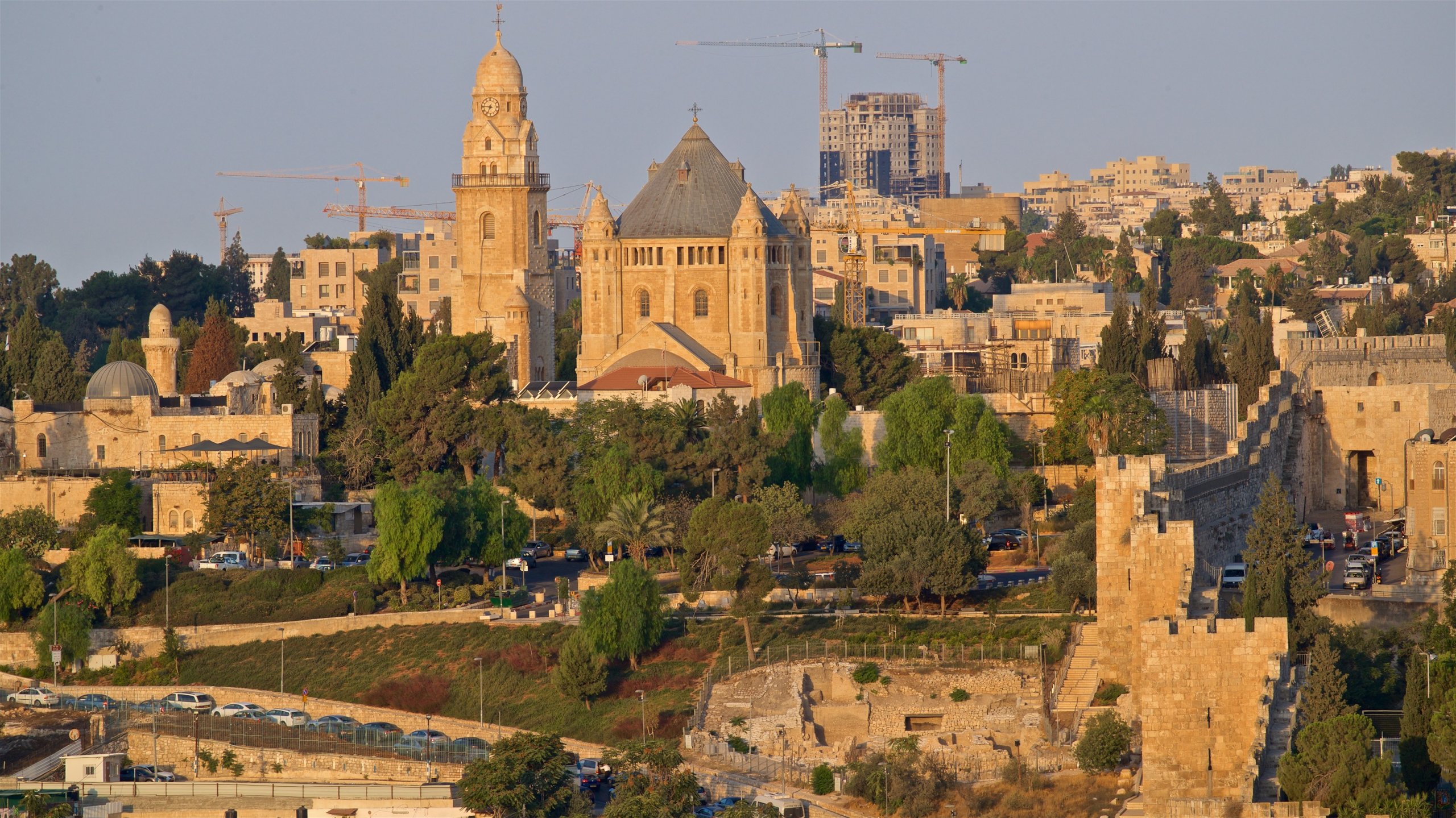
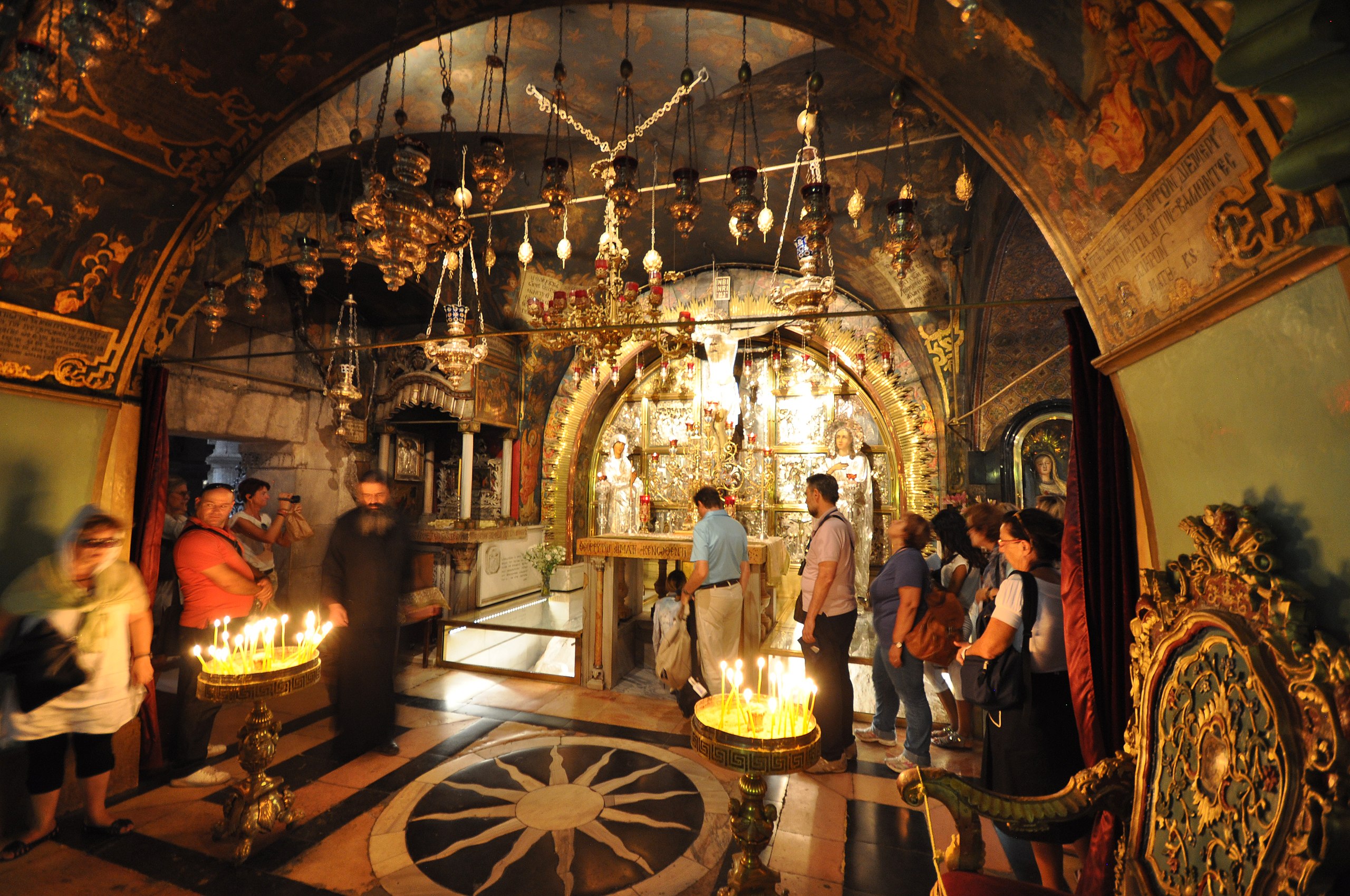
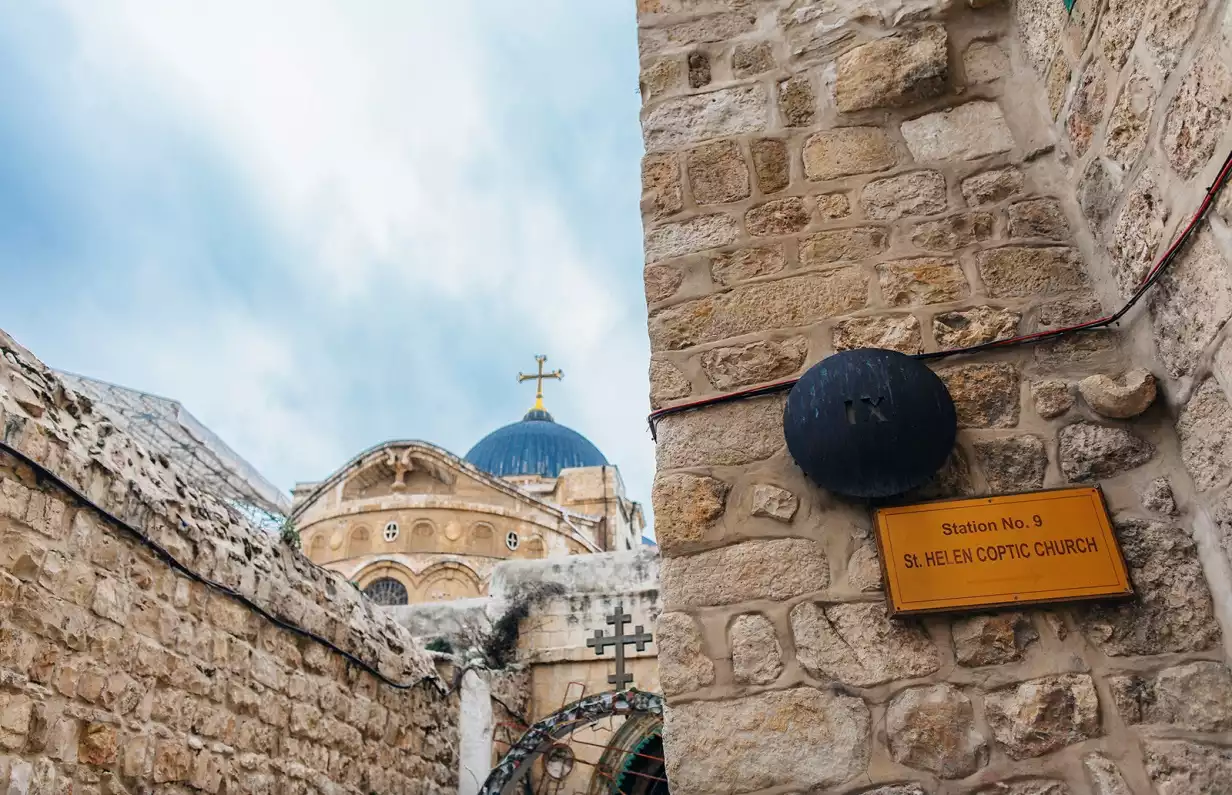
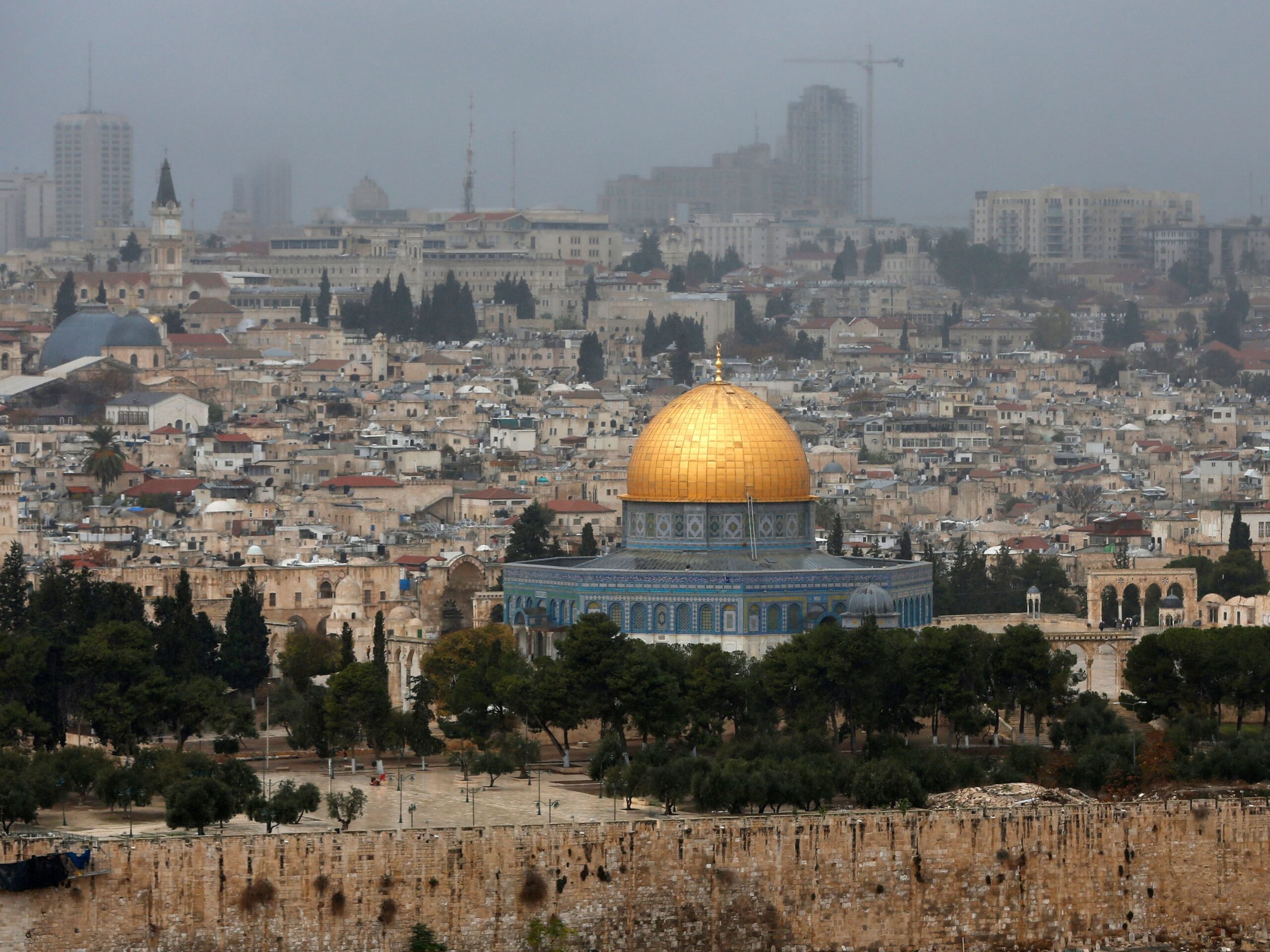
The Church of the Holy Sepulchre and the Via Dolorosa are crucial Christian sacred sites, essential visits for anyone travelling to Jerusalem. The faith of the visitors is irrelevant; a Christian may come to offer a heartfelt prayer, while a Muslim or a Buddhist may seek to expand their understanding and pay homage to one of the world’s largest faiths.
While in the city, one should attend services held by clergy from various Christian denominations, sit at the Altar of the Crucifixion for contemplation on eternal matters, and touch the rock of Calvary (Golgotha), where Jesus was crucified.
As stated in the Bible, Mount Zion represents the Kingdom of God. For every Jew, it signifies the ancient homeland, the Jewish people, and the wisdom of the prophets. You can find it by heading south from Old Jerusalem towards Zion Gate.
The journey ahead is quite challenging. The mountain ascends to 765 m above sea level and provides stunning views of Jerusalem. The city, with a population of fewer than one million inhabitants, appears majestic.
Stroll around the Abbey of the Dormition, which, according to the Bible, is the sacred site of the Assumption of the Virgin Mary, the Mother of God. Close to the monastery, there is a monument dedicated to King David of Israel, where many tourists often gather to take selfies and group photographs beside the two-metre statue of the ancient monarch.
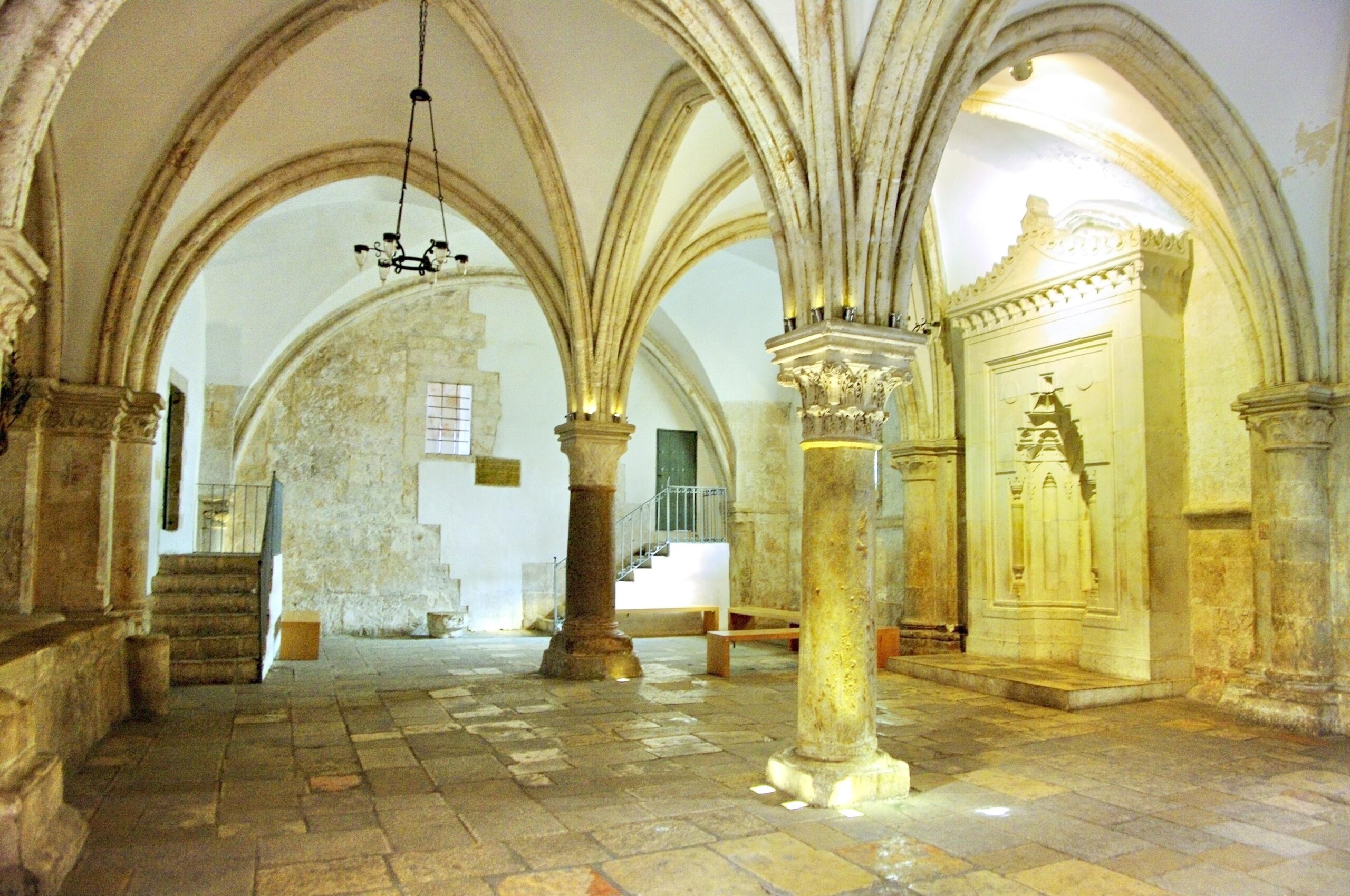
Not far from the Dormition, you will find the Last Supper Room — the precise location where Jesus had his final meal with his disciples. Currently, it is a modest hall featuring pointed arches and windows, which has been renovated multiple times.
Another revered location is King David’s tomb. However, the reason it is regarded as the burial site remains uncertain, as the actual resting place of the Biblical King has not been identified.
Mount Zion is also the final resting place of the notable German figure Oskar Schindler, who rescued 1,200 Jews during World War II. Even 50 years after his passing, the number of stones left on his grave continues to grow, brought by the grateful descendants of those he saved.
The Wailing Wall, also referred to as the Western Wall, holds the same significance for every Jew as the Church of the Holy Sepulchre does for Christians. This 485 metre-long remnant of the Second Jewish Temple, destroyed by the Romans, dates back to 70 AD. Jews from all over the globe come here to pray for health and the fulfilment of their deepest desires, as well as to mourn the brutal destruction of the temple.
Bethlehem and the Dead Sea
Visiting this city, which has been known to humanity since Biblical times, can be a perilous endeavour due to its position in Palestine, a region marked by ongoing conflict.
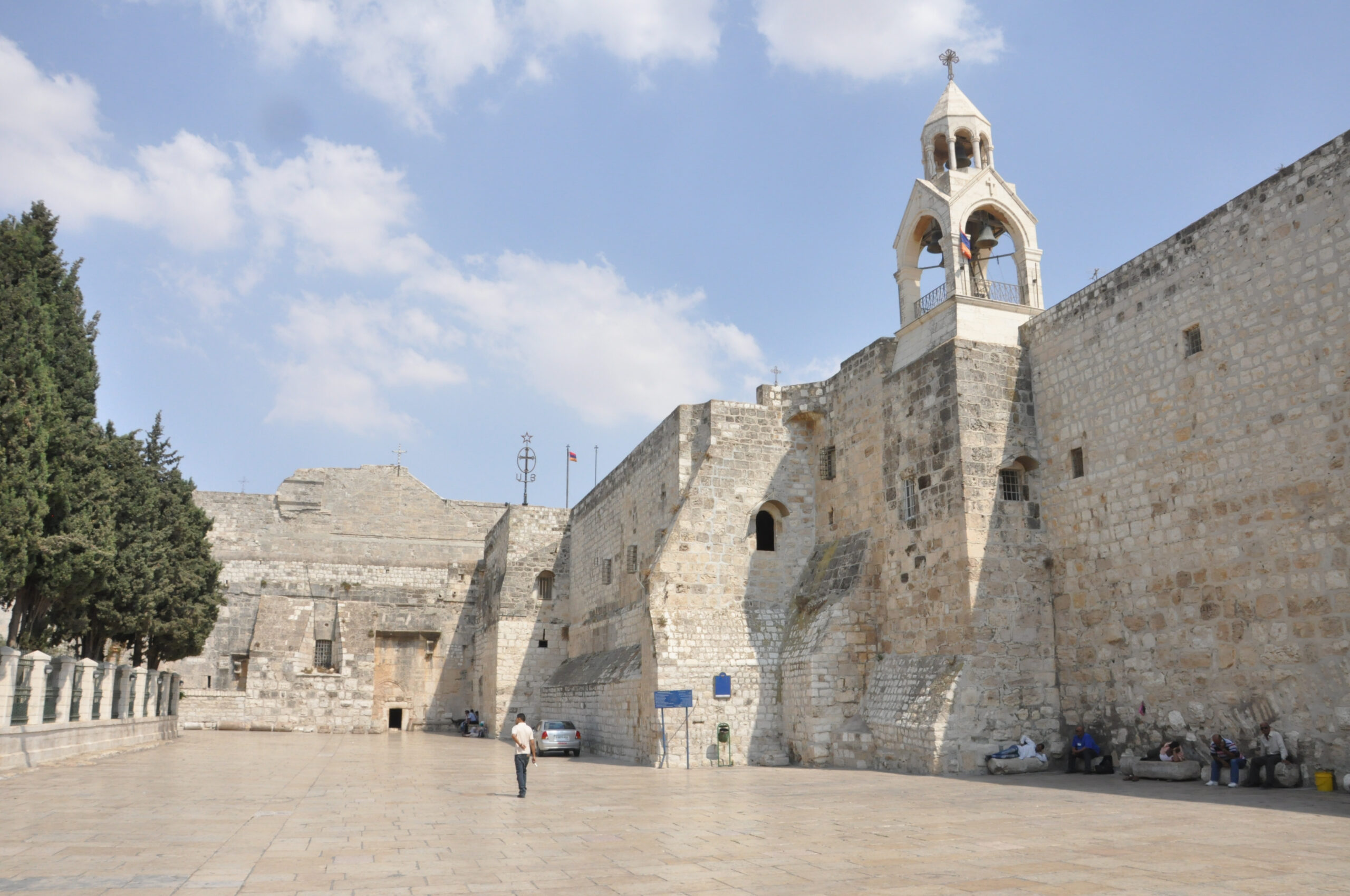
Nevertheless, reaching here is straightforward if you set off from Jerusalem. Bethlehem is the birthplace of King David and Jesus Christ — two prominent figures in Jewish history. Pilgrims travel to this site to pray at the Church of the Nativity, the oldest continuously operating temple in the world, and to enter the cave where Christ was born. The line to access the cave is often lengthy, requiring considerable patience. However, you might encounter an Arab man nearby who will offer to let you in for a fee, allowing you to skip the queue.
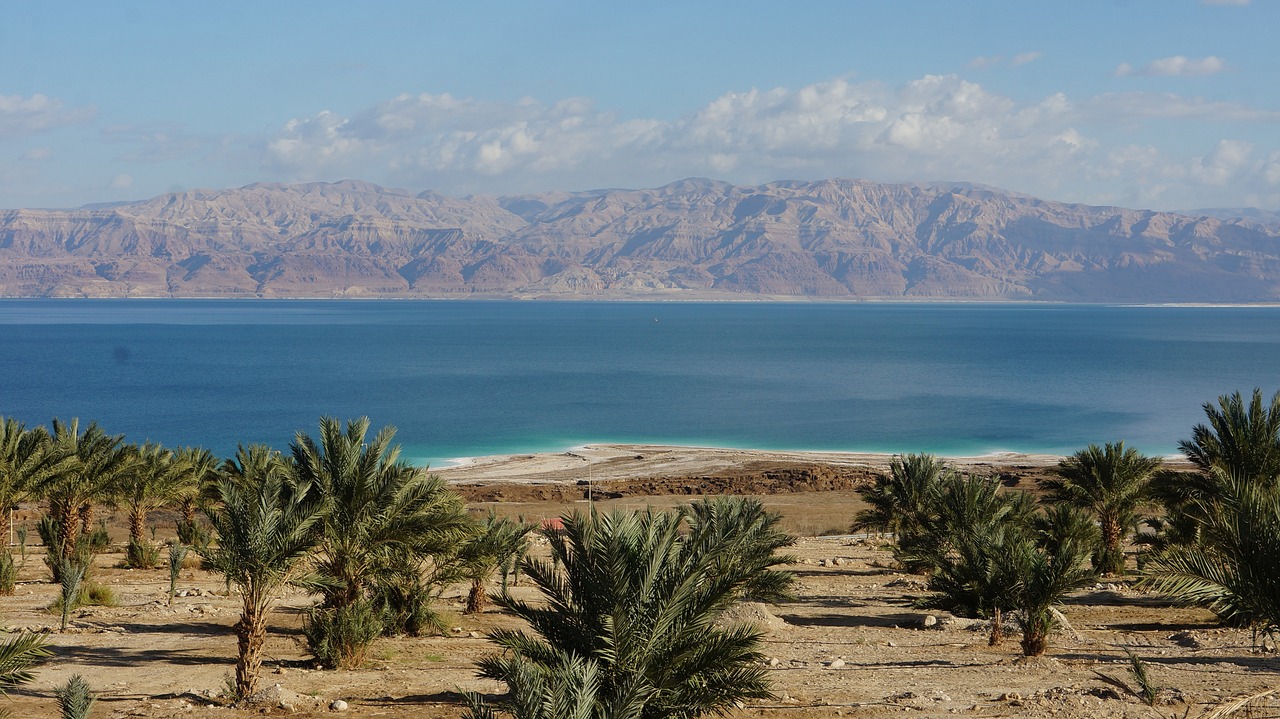
A visit to the Dead Sea is essential for anyone travelling to Israel. The locals have given it a more positive moniker — the Sea of Salt. Only half of the sea is under Israeli jurisdiction; the other half belongs to Jordan, with a small section claimed by the contentious Palestine.
The Dead Sea is a famous resort that attracts thousands of visitors throughout the year. It is extremely saline — eight times more so than typical ocean water, making it impossible to sink.
Young individuals often choose Ein Gedi for their holidays, as it is vibrant and lively around the clock. In contrast, older visitors and those seeking a peaceful beach experience head to Ein Bokek. The ambience there is ideal for travellers wishing to relax in luxurious accommodations, with attentive staff and superb beaches.
Qesarya National Park
Centuries ago, there existed the city of Caesarea Palestinae, which eventually became known as the Israeli Atlantis, having submerged beneath the waves. Currently, the submerged remnants cover a significant area of the National Park.
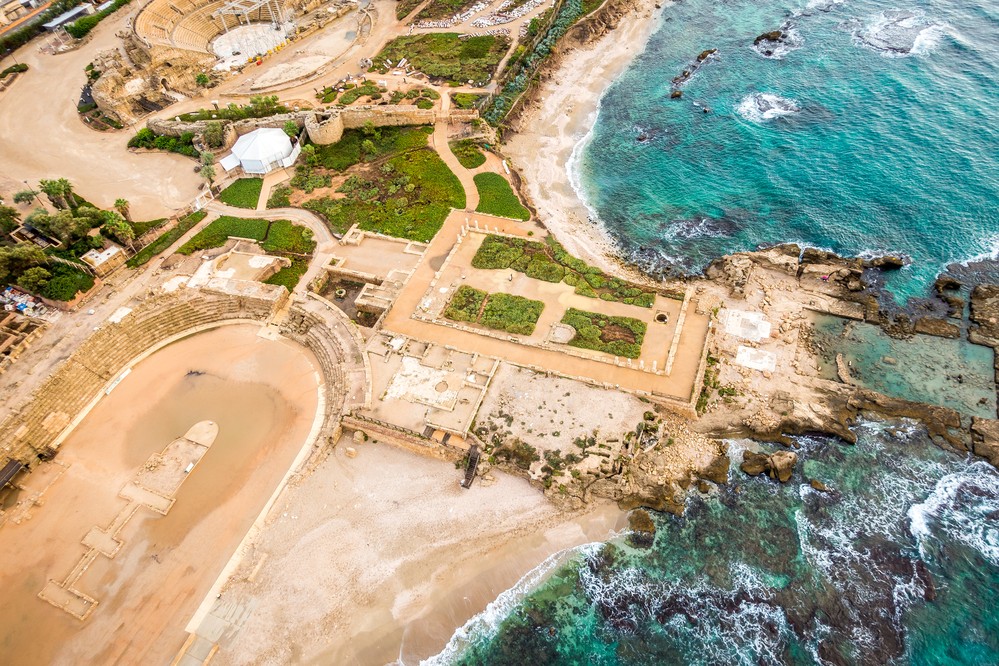
Visitors come here to appreciate the natural beauty, engage in diving, relax on the public beach, and investigate the ancient ruins that have been preserved to this day.
One of the most impressive attractions is “Travel through Time,” a ten-minute experience that showcases the history of Qesarya, including its inception, construction, and transformations. Those interested can enter the cinema to view four large screens that feature the rulers who significantly influenced the city’s history. Some of these figures are familiar from ancient history lessons: King Herod, Louis IX of France, and Baron Rothschild.
Cuisine
The population of Israel is primarily descended from Jews who migrated from Central and Southern Europe. Those who moved from the central regions, such as the Czech Republic, Germany, Slovakia, and Poland, are known as Ashkenazi. In contrast, those who originated from Spain, Portugal, Greece, and Turkey are typically referred to as Sephardim. The relationship between these two groups is fairly similar. Consequently, Israeli cuisine is influenced by both traditions.


The culinary creations of the Ashkenazi are particularly notable within Jewish gastronomy. Many are familiar with their dishes such as vorschmack, gefilte fish, tzimmes, and liver pate. This cuisine often features meat, fish, and offal. As the Ashkenazi Jews express, the food should be hearty and rich.
Conversely, the Sephardim have a different perspective. Their dishes tend to resemble more plant-based cuisine, with a strong emphasis on vegetables, fruits, and grains. Regardless of the culinary tradition, all Israeli food must adhere to the requirements of the Kosher certification. The guidelines for Kosher food were outlined in Kashrut, the dietary laws that have been obligatory for every Israelite for several millennia.
This means that no establishment in Israel will offer pork or rabbit meat, nor fish lacking scales and/or fins. Unfortunately, species such as eel, sturgeon, mackerel, and other fish without scales are not permitted for consumption. While travelling, you will find traditional seafood options like shrimps, mussels, lobsters, and crayfish unavailable.
Israeli chefs generally view the combination of cream or cheese sauce with meat as inappropriate. According to Kashrut, mixing meat and dairy products in a single dish or even spread is not allowed.
So, what can you enjoy while in Israel? The local cuisine is so delightful and diverse that thoughts of seafood salads or pork chops will be far from your mind.
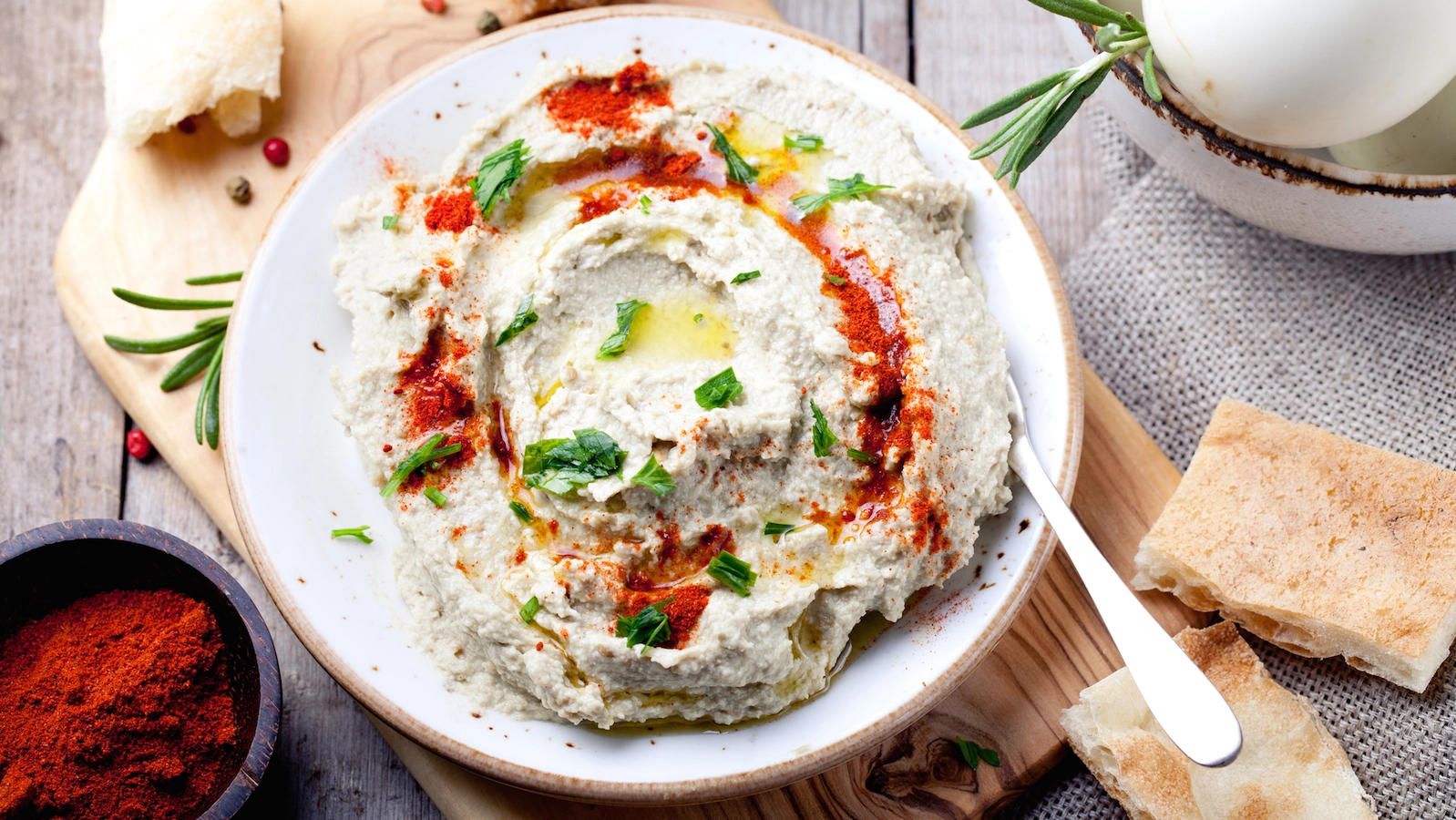
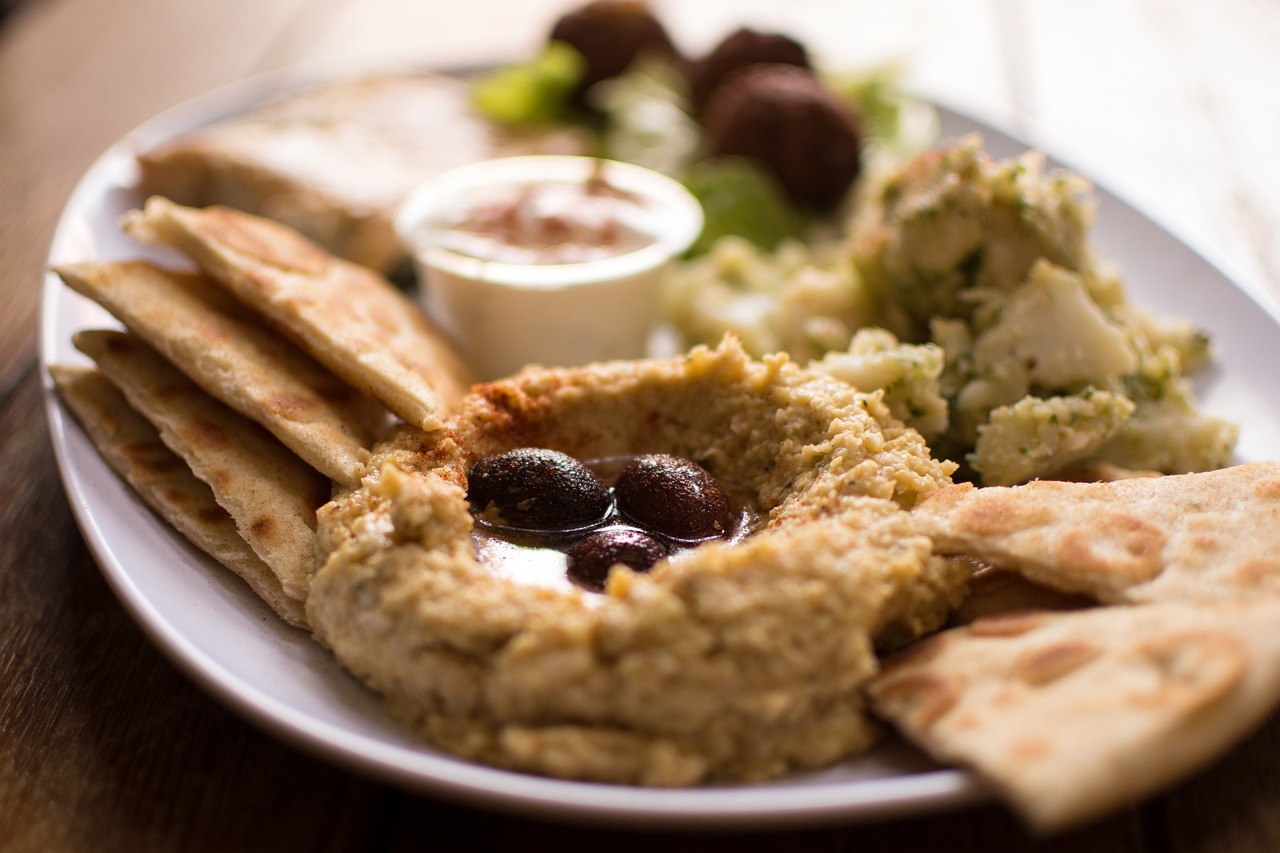
Hummus is a staple dish for any breakfast, lunch, or dinner in this nation. It is a thick puree made from boiled chickpeas and tahini, mixed in equal parts. Hummus also includes ingredients like olive oil, lemon juice, garlic, and paprika.
Msabbaha is another version of hummus, regarded as a salad, typically enjoyed with cheese, aubergines, and other vegetables. Interestingly, no utensils are needed for eating, as pita bread is used to scoop the food and bring it directly to the mouth to savour the flavours. Another way to enjoy hummus is by spreading it on pita before consuming.
Falafel closely resembles meatballs but is entirely vegan, originating in Ancient Egypt as a meat substitute during fasting. These balls are crafted from chickpea or bean puree and filled with vegetables, then deep-fried until golden brown.
Baba ganoush is a delight for those who enjoy aubergines. The aubergines are grilled, then mashed with tahini and seasoned with spices and herbs. A few drops of lemon juice enhance the slightly tangy flavour. Typically, baba ganoush is accompanied by yoghurt.
Shakshuka is a popular dish among Israelis. It consists of poached eggs served with onions, sweet peppers, and tomatoes. Although this dish is simple to prepare, it is incredibly tasty.
In Israel, fish is enjoyed, but only a limited variety is consumed, with tilapia being the most favoured. This national preference stems from the Biblical tale of Peter the Apostle, who caught a fish and discovered a coin inside, which he used to make a church donation. Since then, tilapia has become the favourite fish among Jews, usually fried and served alongside mashed potatoes or French fries, fresh salads, and lemon wedges.
For dessert, you might want to try halvah, which has a delectable tahini flavour. Israelis incorporate these aromatic seeds into various dishes. To prepare halvah, the seeds are first ground, then combined with sugar, cocoa, nuts, and dried fruits. Lemon juice is added to balance the sweetness.
The most distinctive dessert in the country is knafeh, made from brined goat’s cheese and topped with a thin layer of unique bright orange noodle strands. Each serving is drenched in sweet syrup and garnished with nuts and fruit slices. This sweet-and-salty dessert offers a unique taste that everyone interested in authentic Israeli cuisine should experience.
Additionally, be sure to visit local bakeries. While many may seem to offer the same items, such as pita bread, buns, and puff pastries, the flavours vary from one bakery to another. The unique taste of each baked good comes from the traditional family recipes of the bakers. An Israeli bakery often serves as both a bakery and a small family café, making it a great spot for a hearty breakfast, lunch, or dinner.
When ordering dessert at a café, it often comes with a cup of coffee, which is a traditional beverage in Israel. Tea is consumed very infrequently, with cappuccino being the only drink that can rival coffee, as locals have embraced it for quite some time.
Israel is a captivating country with a complex history and an equally intense present. The conflict continues, and the streets are filled with young men and women in uniforms carrying firearms. Despite this, the vibrancy of modern life persists. The natural beauty of Israel is striking, with bright colours, and the beaches offer warm sand and crystal-clear waters. A visit here is essential to experience and appreciate the atmosphere.
FAQ
When did Israel gain its nationhood?
Israel proclaimed its independence and became a nation on May 14, 1948.
What was the name of Israel prior to 1948?
Prior to 1948, the area was referred to as Palestine, which was under British control following the disintegration of the Ottoman Empire after World War I.
Which territories are under Israel’s control?
Israel’s sovereign land encompasses its borders established before 1967, but it also governs the West Bank, Golan Heights, and East Jerusalem, areas whose status and borders are still contested and under negotiation.
What is the overall size of Israel?
The overall size of Israel, not including the occupied territories, is roughly 20,770 square kilometres.
What is Israel famous for?
Israel is renowned for its extensive historical and religious legacy, technological advancements, dynamic cultural environment, and as a hub for the major Abrahamic faiths.
Is the capital of Israel Tel Aviv or Jerusalem?
Israel designates Jerusalem as its capital. Nonetheless, many international organisations and nations do not officially acknowledge Jerusalem as the capital and continue to house their embassies in Tel Aviv.
What is the size of Israel’s population?
Israel’s population is approximately 9.3 million individuals.
What are the predominant religions in Israel?
The primary religions in Israel consist of Judaism, Islam, and Christianity.
Who is currently in charge of Israel?
The head of government in Israel is the Prime Minister. The political landscape can shift quickly, so it is advisable to refer to the most recent sources for up-to-date information.
Is Israel’s economy performing well?
Israel boasts a robust, high-tech economy, recognised for its creativity, technology startups, and research and development.
What are the main economic contributors for Israel?
Israel’s economy is multifaceted; key sources of revenue include technology, tourism, diamond exports, and manufacturing.
What is the currency used in Israel?
The currency utilized in Israel is the New Israeli Shekel (ILS).
Is Israel welcoming to tourists?
Yes, Israel is generally hospitable to tourists, providing a variety of historical, cultural, and natural sites.
Are tourists permitted to enter Israel at present?
The ability for tourists to enter Israel typically hinges on the current global and regional circumstances, including health and security factors. It is advisable to verify the latest travel advisories and entry regulations.
Is visiting Israel costly?
Israel can be relatively pricey for visitors, with elevated expenses for lodging, transport, and dining in major urban areas.
What documents are required for visiting Israel?
Travellers usually need a passport that is valid for a minimum of six months from the date of entry. Visa requirements vary based on the traveller’s nationality.
Is a visa necessary for entry into Israel?
Visa requirements for Israel differ according to nationality. Numerous countries have visa waiver agreements with Israel for short stays, while others must apply for a visa in advance.

